Looking for a Raleigh lifestyle that feels connected, walkable, and full of character? Living Inside the Beltline, often called ITB, appeals to buyers who want to stay close to downtown, parks, dining, and daily essentials without spending as much time crossing the metro. If you are curious about what everyday life really looks like in central Raleigh, this guide will help you understand the housing, rhythm, perks, and tradeoffs. Let’s dive in.
What Inside the Beltline Means
Inside the Beltline generally refers to central Raleigh within the Raleigh Beltline, I-440. It is not a formal planning district, but in everyday use it describes Raleigh’s close-in urban core. That location puts many homes closer to downtown, State government offices, and N.C. State.
For you, that often means shorter trips and more options for how you get around. Depending on the neighborhood, daily life may include more walking, biking, transit, or rideshare than you would usually expect in outer suburban Raleigh. That close-in convenience is a big part of ITB’s appeal.
Housing Options Inside the Beltline
One of the biggest draws of ITB is variety. You are not looking at one single type of neighborhood or home. Instead, you will find everything from historic houses with deep architectural character to apartments, townhomes, and postwar homes in mixed-use areas.
Historic Homes and Established Streetscapes
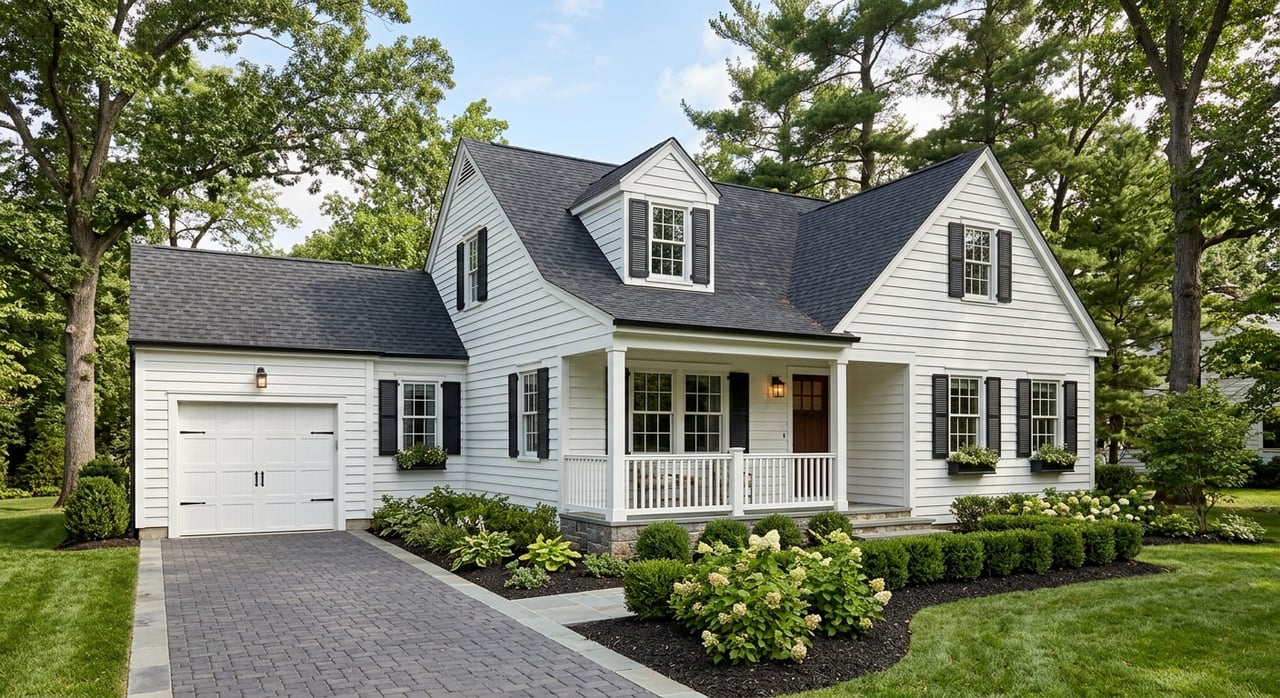
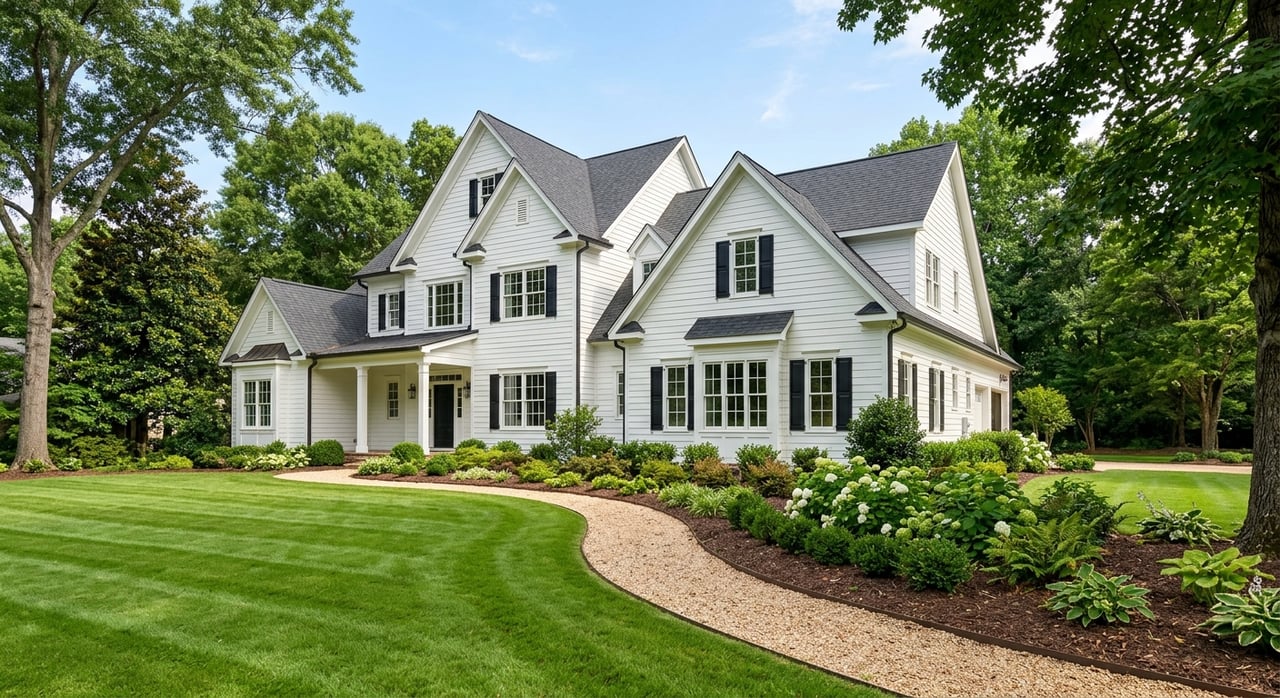
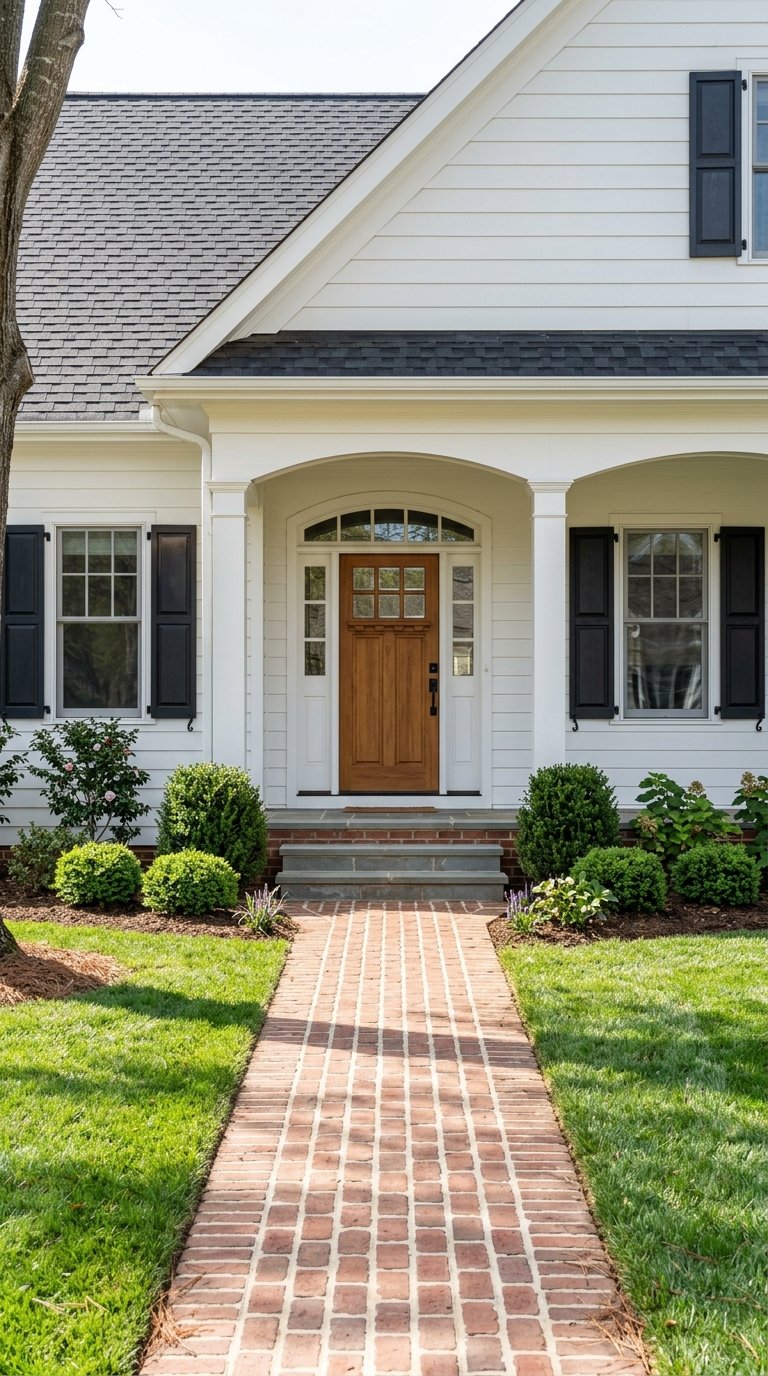
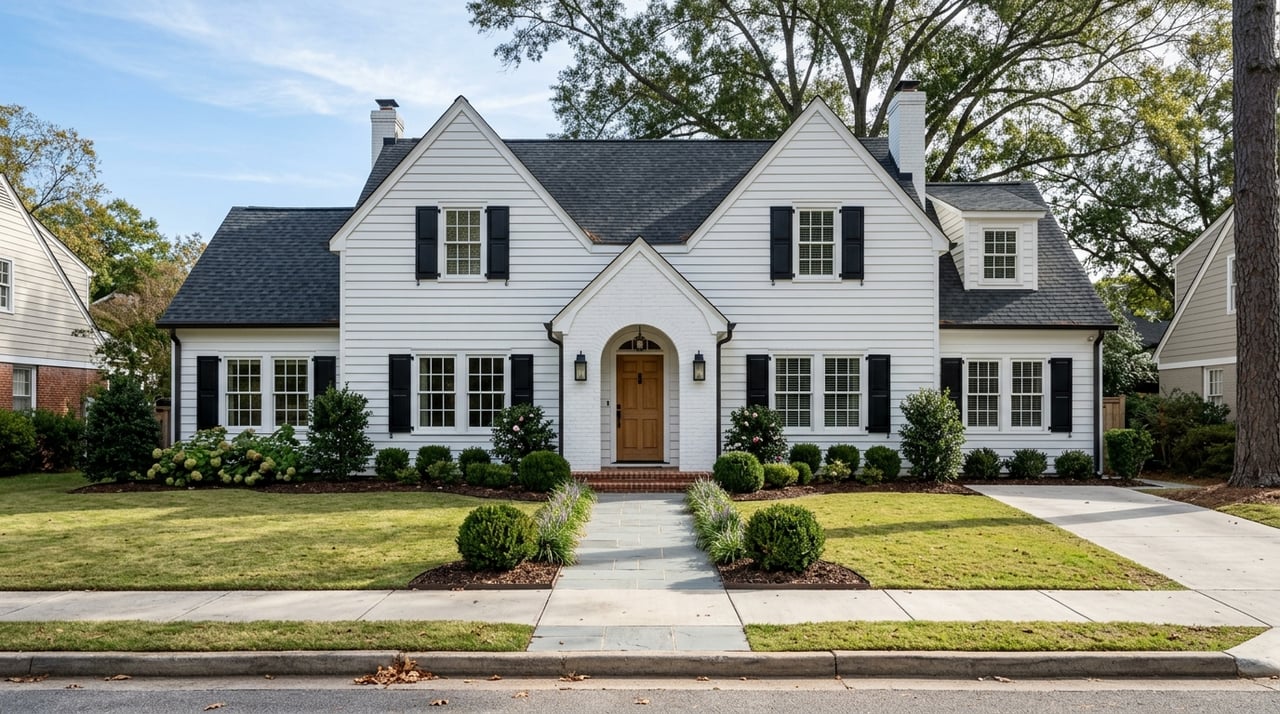
Many ITB neighborhoods are known for early-20th-century homes, mature trees, front porches, and smaller lots. Architectural styles include bungalow, Craftsman, Colonial Revival, Tudor Revival, Georgian Revival, and Victorian-era homes. If you love older homes with personality, this part of Raleigh offers some of the city’s most distinctive options.
Boylan Heights is known for curving streets and Craftsman bungalows. Oakwood includes Raleigh’s largest collection of 19th-century Victorian dwellings and a wide range of architectural styles. Hayes Barton and Bloomsbury are often associated with the more established, prestigious side of the Five Points area, while Roanoke Park offers a denser, more modest, pedestrian-oriented setting.
It is also important to understand the history behind some preserved streetscapes. Many of these neighborhoods were originally developed with racially restrictive covenants. That history matters as part of the broader story of how these areas were built and preserved.
Mixed-Use and Postwar Living
ITB is not only about historic single-family homes. Cameron Village, recognized as North Carolina’s first planned mixed-use development, includes many postwar Ranch homes and clustered apartments. Glenwood South has become Raleigh’s densest residential area, with newer development and walkable access to groceries and other everyday amenities.
For buyers, that means you can choose a lifestyle that fits your priorities. You may prefer a historic home with original charm, a townhome near downtown, or a more urban apartment with easy access to dining and errands. Inside the Beltline gives you a broad housing spectrum in a relatively compact area.
Renovation Rules Matter
If you are considering an older home, preservation rules are worth careful attention. Raleigh distinguishes between National Register districts and local Historic Overlay Districts, also called HODs. Historic Overlay Districts are zoning overlays with specific rules, benefits, designation processes, and at times different boundaries.
That can affect exterior changes, additions, and renovation timelines. If you are buying in one of these areas, it is smart to understand early how future projects may be reviewed. For many buyers, the historic character is worth it, but it is best to go in with clear expectations.
Daily Life Feels Close to Everything
A big reason people choose ITB is simple: everyday life can happen in a smaller radius. Downtown Raleigh is known as a cultural hub where historic neighborhoods, museums, Southern diners, global restaurants, green spaces, performance venues, breweries, and nightlife all sit close together. That can make daily routines feel more spontaneous and less car-dependent.
Instead of planning long trips across town, you may find yourself grabbing coffee, meeting friends for dinner, running errands, and enjoying a weekend outing all within a short drive, ride, bike trip, or walk. That kind of convenience shapes the whole feel of ITB living.
Food, Arts, and Weekend Plans
If you enjoy having options nearby, ITB delivers a lot of variety. Morgan Street Food Hall in the Warehouse District brings together more than 20 local chefs and restaurants, making it an easy choice for casual meals with different tastes in one place. Downtown also has a public art collection of more than 167 pieces, with the largest concentration in the Warehouse District and self-guided walking or biking tour options.
You can also add museums and arts programming into your regular routine. The City of Raleigh Museum sits on Fayetteville Street in the historic Briggs Hardware Building. Pullen Arts Center offers classes in pottery, jewelry, painting, printmaking, bookmaking, drawing, fiber arts, weaving, and glass arts.
Glenwood South and In-Town Convenience
Glenwood South shows how central Raleigh has evolved. It is downtown’s densest residential district, and it offers walkable access to businesses and one of downtown’s two grocery stores. For you, that means in-town living can be practical, not just social.
That mix of housing, groceries, restaurants, and entertainment is a major part of what makes some ITB areas feel especially livable day to day. If you want routine errands and fun plans to happen close to home, this type of setup can be a strong fit.
Parks Shape the ITB Lifestyle
Green space is one of ITB’s biggest lifestyle strengths. Raleigh has more than 200 parks, and several of the city’s best-known in-town destinations sit close to the urban core. That gives you a way to balance downtown energy with room to breathe.
For many residents, the routine is simple and appealing: start with a walk or bike ride through the neighborhood, spend time outdoors, and then head a few minutes into downtown for errands, dinner, or an event. That combination is hard to replicate in more spread-out areas.
Dorothea Dix Park and Pullen Park
Dorothea Dix Park is a major part of Raleigh’s park story. The city acquired 308 acres in 2015 to create a destination park, giving central Raleigh a large-scale open space with room to grow as a civic gathering place. Its size alone makes it a major asset for nearby neighborhoods.
Pullen Park is smaller but deeply woven into everyday city life. At 66.4 acres, it is the first public park in North Carolina. It includes a carousel, train, pedal boats, playgrounds, courts, an arts center, a cafe, and Theatre in the Park, which helps make it a repeat destination rather than a once-a-year stop.
Getting Around Inside the Beltline
Transportation is one of the clearest differences between ITB and outer-suburban living. Downtown streets are generally easier to navigate on foot, by bike, by rideshare, or by taxi than areas farther from the core. If you value options beyond driving everywhere, central Raleigh offers more flexibility.
Raleigh’s bus system also supports that central pattern. The R-Line downtown circulator runs about every 15 minutes and connects people to restaurants, retail, entertainment venues, and parking in the Central Business District. Raleigh Union Station also has a GoRaleigh stop in front, along with bikeshare and scooter-share options for last-mile trips.
Walkability Comes With Tradeoffs
Even with better access and more transportation choices, ITB is not uniformly easy in every corridor. Some older intersections and road patterns create challenges for drivers and pedestrians. The Five Points study, for example, notes that the area’s geometry and turning volumes create safety and crossing concerns, and the city has already made signal and pedestrian timing changes there.
Traffic is also still part of the picture. NCDOT continues to work on Beltline corridor improvements, so traffic patterns can shift over time, especially during peak periods. In other words, ITB can reduce trip length and add travel options, but it does not eliminate congestion.
Who Inside the Beltline Fits Best
Inside the Beltline tends to work well if you value character, convenience, and proximity to downtown life. It is often a strong match for relocating professionals, buyers who love older homes, and people who want their daily routine centered around parks, dining, and shorter commutes. If your ideal week includes local coffee shops, nearby green space, and less time driving long distances, ITB may feel like home.
It may be a weaker fit if your top priorities are newer construction, very large lots, or the easiest possible renovation and parking experience. Some buyers are happy to trade square footage and simplicity for location and charm. Others prefer more space and a more suburban layout.
What to Consider Before You Buy ITB
Before you focus your home search, it helps to get clear on what matters most in your day-to-day life. Inside the Beltline is not one uniform experience. The right fit often depends on whether you are prioritizing architecture, walkability, parks, renovation potential, or quick access to downtown.
A few helpful questions to ask yourself include:
- Do you want historic character or lower-maintenance newer construction?
- How important is walkable access to groceries, dining, and entertainment?
- Are you comfortable with smaller lots and older-home upkeep?
- Would preservation rules affect your renovation plans?
- Do you want a neighborhood feel, a mixed-use environment, or a downtown-adjacent setting?
When you answer those questions early, it becomes much easier to narrow down the right part of central Raleigh for your lifestyle.
If you are thinking about buying or selling Inside the Beltline, working with a team that understands Raleigh block by block can make the process much smoother. Cobb Zies & Co combines deep Triangle knowledge with personalized guidance to help you find the right fit and move forward with confidence.
FAQs
What does Inside the Beltline mean in Raleigh?
- Inside the Beltline usually refers to central Raleigh within I-440, the Raleigh Beltline, and is commonly used to describe the city’s close-in urban core.
What types of homes are common Inside the Beltline in Raleigh?
- ITB includes early-20th-century historic homes, postwar Ranch homes, apartments, condos, and townhomes, depending on the neighborhood.
What is daily life like Inside the Beltline in Raleigh?
- Daily life often includes shorter trips to downtown, easy access to dining and parks, and more opportunities to walk, bike, use transit, or take rideshare for routine outings.
What are the tradeoffs of living Inside the Beltline in Raleigh?
- Common tradeoffs can include older homes that may need upkeep, smaller lots, preservation-related renovation rules in some areas, parking challenges in certain pockets, and traffic in busy corridors.
Are there parks near Inside the Beltline neighborhoods in Raleigh?
- Yes. ITB residents are close to major in-town parks including Dorothea Dix Park and Pullen Park, along with many other Raleigh parks.
Is Inside the Beltline in Raleigh a good fit for every buyer?
- Not always. ITB is often best for buyers who want character, central convenience, and access to downtown amenities, while buyers who want newer construction or larger lots may prefer other parts of the Triangle.