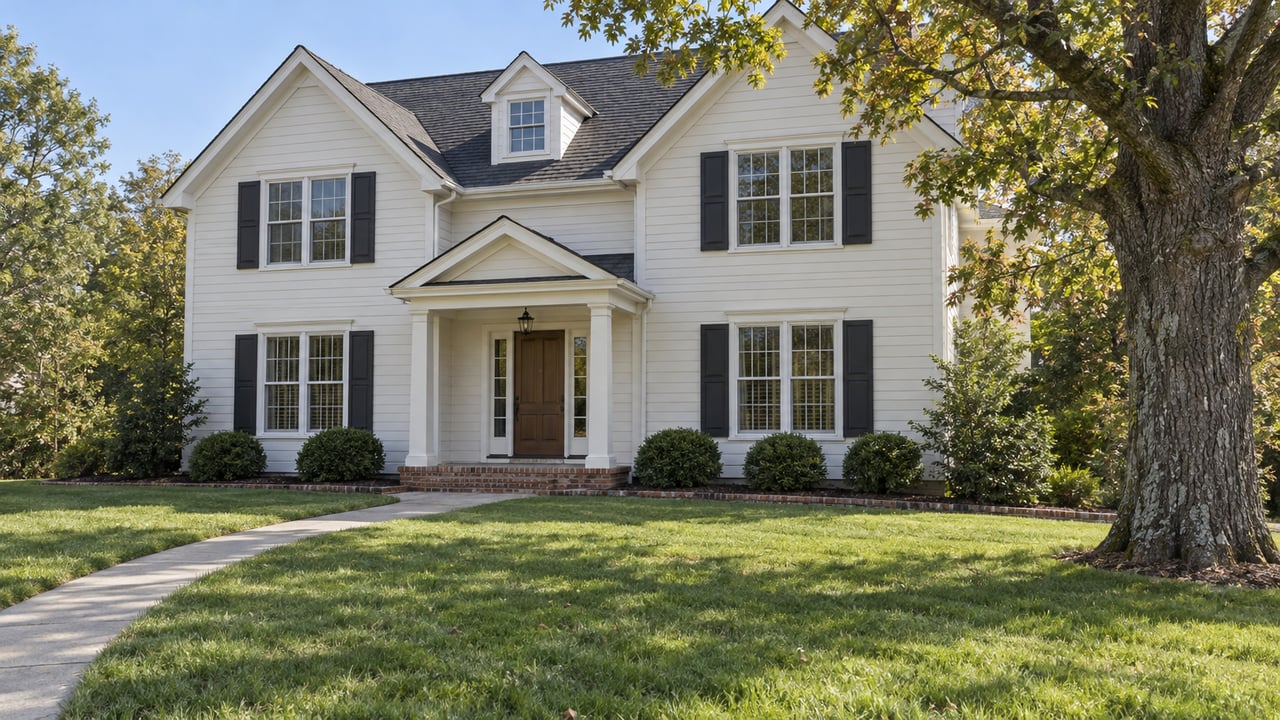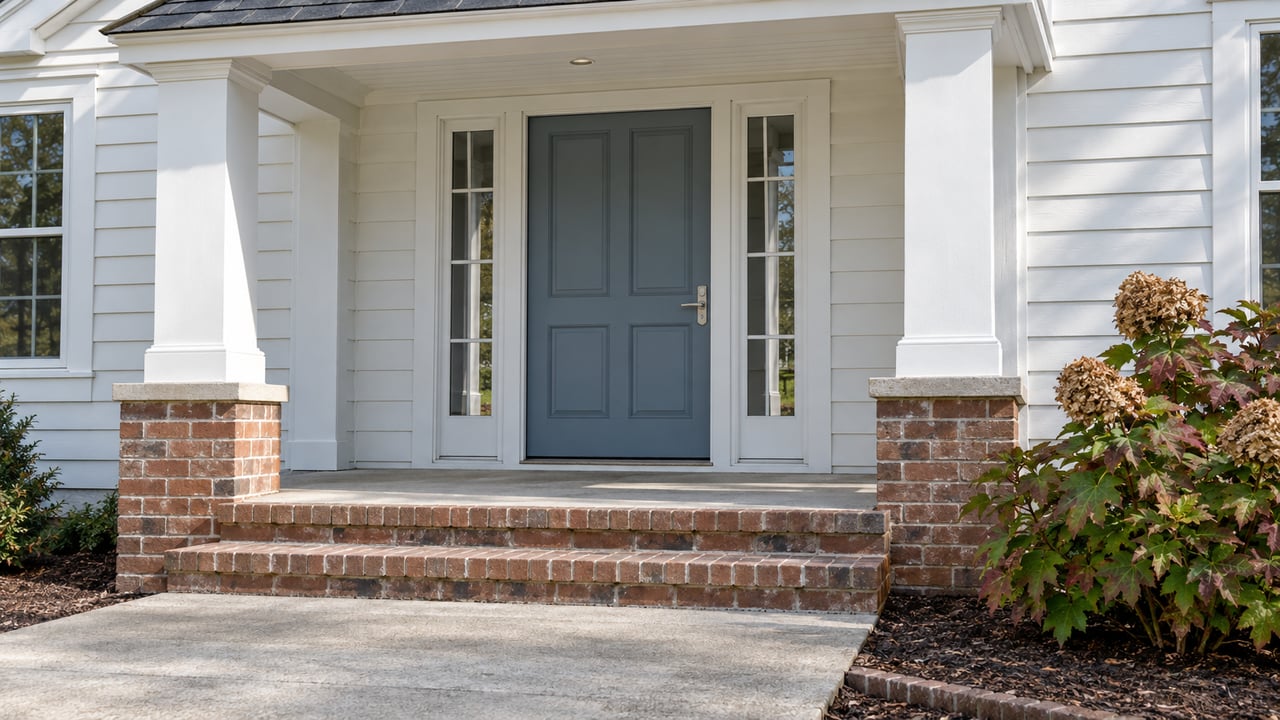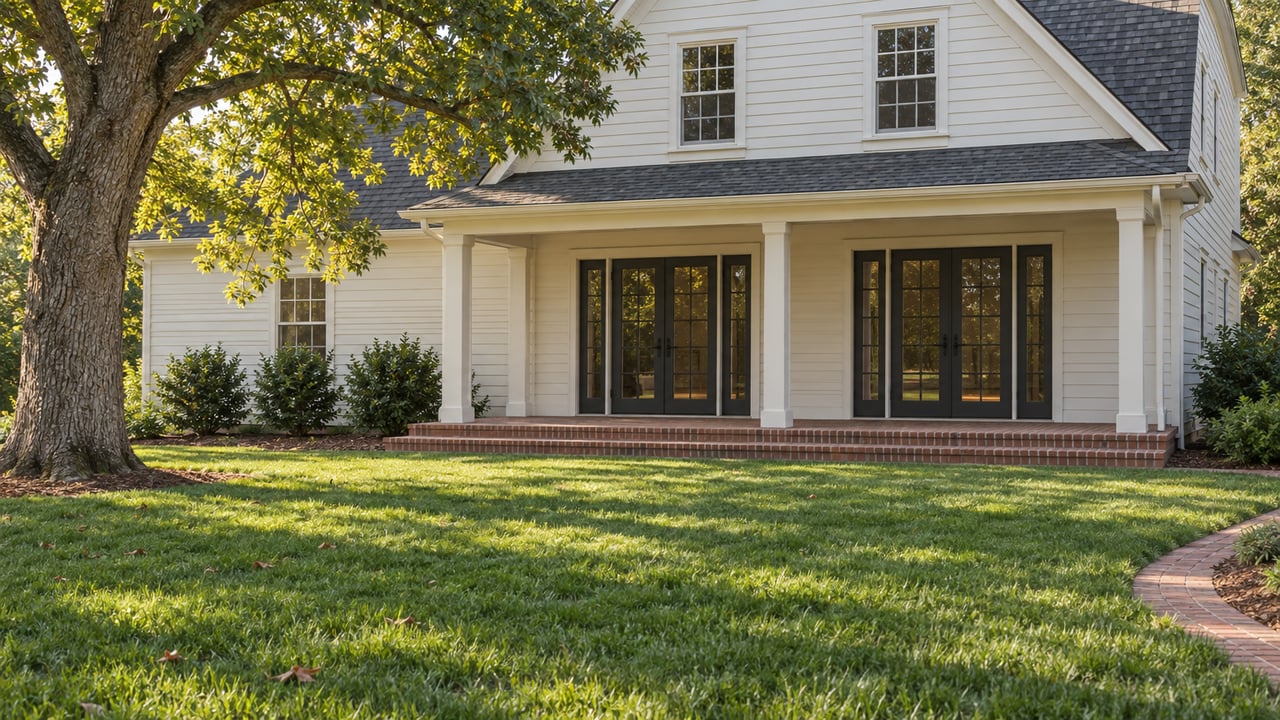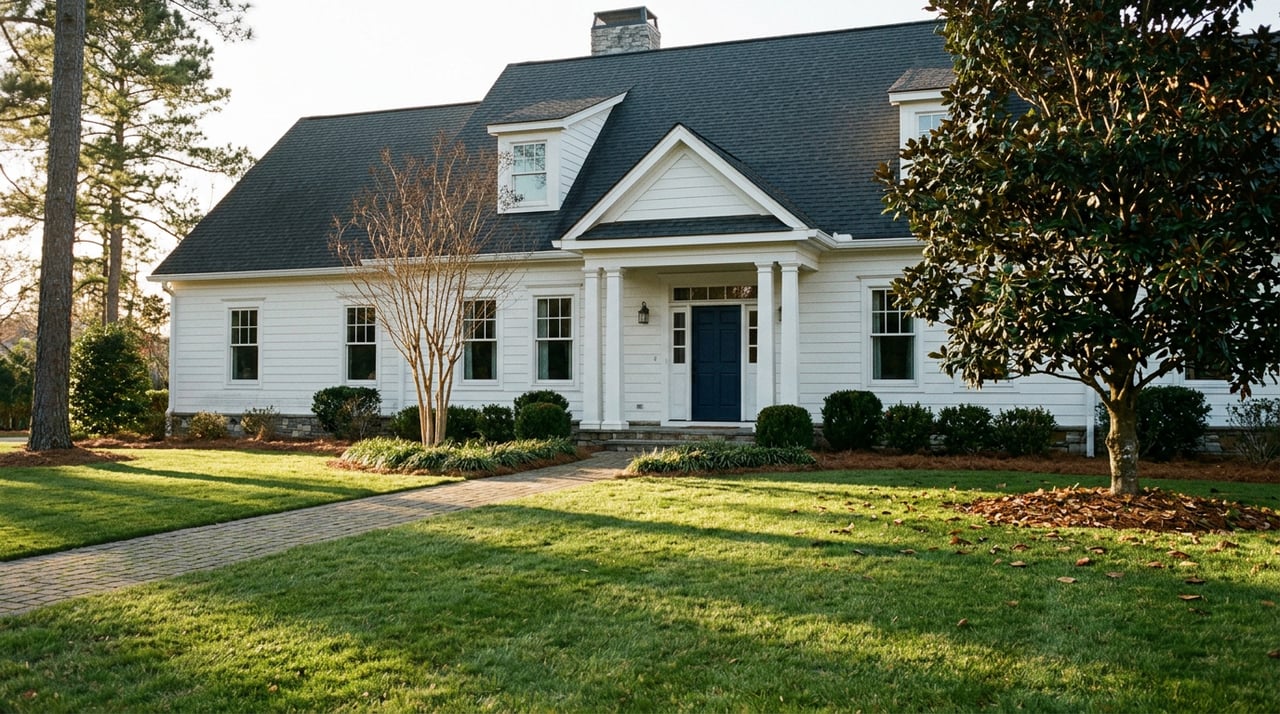
If you’re deciding between a brand-new home and an existing one in Cary, you’re not alone. It’s a smart question in a market where prices are strong, inventory is active but limited, and the right fit often comes down to location, timing, and how much work you want to take on. The good news is that Cary offers real options on both sides, and understanding the tradeoffs can help you move forward with more confidence. Let’s dive in.
Cary’s Market Sets the Stage
Cary remains a premium housing market within Wake County. Realtor.com reports a median listing price of $575,000 in Cary, compared with $474,945 in Wake County, while the same source shows 646 homes for sale, a median 44 days on market, and a 99% sale-to-list ratio.
That context matters when you compare new construction versus resale. In Cary, the decision is often less about finding a “cheap” option and more about choosing the right combination of location, condition, and timeline for your goals.
Where New Construction Is in Cary
If you are focused on new construction, your search will likely point toward newer growth corridors and redevelopment areas. According to the Town of Cary Housing Plan, new development is happening in Destination Centers, Downtown, and the Green Level and Eastern Cary Gateway Special Planning Areas.
The Town’s 2026 State of Cary adds that western Cary, especially the Green Level West Destination Center, remains a key development zone, while redevelopment continues in southeastern Cary and downtown. In practical terms, that means many buyers looking for new homes are drawn to west Cary or infill-style opportunities near downtown corridors.
New construction is not just a small niche here. Realtor.com’s new-home search currently shows 215 new construction homes in Cary, which confirms there are meaningful options if a newer home is your priority.
Where Resale Homes Are More Common
If you want an established neighborhood feel, resale may give you more choices. Cary’s housing plan notes that older neighborhoods, especially areas inside the Maynard Loop, have higher concentrations of homes that are 30 to 50 years old.
The Town also expects many neighborhoods built in the 1970s and 1980s to need ongoing maintenance and reinvestment. For you, that can mean mature landscaping, more established streetscapes, and homes with character, but it can also mean a closer look at condition, updates, and future repair costs.
Price Differences Are Not Always Dramatic
One of the biggest surprises for buyers in Cary is that new construction does not always carry a massive premium over resale. Redfin reports new homes at a median listing price of $579,000 versus $561,000 for all Cary homes, while Realtor.com reports $565,000 for new construction versus $575,000 for Cary overall.
Those differences suggest that submarket and product mix matter more than the label alone. A newer townhome or smaller detached home may compete directly with resale inventory, while a larger new home in a premium corridor can push well above the townwide median.
Neighborhood Location Matters More Than “New”
Local pricing shows how much location can shape your budget. Realtor.com’s Cary overview lists West Cary at $599,450, Cary Town Center at $692,000, and Park at West Lake at $717,500.
That means the real comparison is often not “new versus resale” in a vacuum. It is more like new home in a growth corridor versus resale in an established neighborhood, and those can land at very similar price points depending on size, finishes, and exact location.
What You Get With New Construction
For many buyers, the biggest draw of new construction is simplicity. Newer homes often come with modern layouts, current finishes, and newer systems, which may reduce the chance of immediate repair or replacement costs.
The Town of Cary notes that detached single-family homes in Cary are already relatively large, with a median size of about 2,400 square feet, and that the median size of new single-family structures has increased 60% since the 1980s. That helps explain why newer homes can carry higher total prices even when price differences look modest on paper.
More Control Over Finishes
According to the National Association of Realtors consumer guide, buyers of new construction may choose a stock plan or spec home, and if the home is early enough in the build process, they may still be able to select flooring, lighting, tile, countertops, cabinets, and vanities.
That level of personalization can be a big advantage if you want a home that feels move-in ready from day one. In Cary, newer projects can also include modern efficiency and sustainability features. The Town’s State of Cary highlights Marigold Cary as an example of newer product with EV charging, solar panels, green stormwater infrastructure, and National Green Building Standard Silver certification.
What You Give Up With New Construction
The main tradeoff with new construction is time. NAR says a custom-home design phase often takes three to six months, and construction typically takes at least 12 to 16 months, with delays possible.
If you need a shorter timeline, a completed spec home or stock-plan home may be a better fit than a fully custom build. Even then, local development timelines in Cary show that ground-up projects are often part of longer multiyear schedules, which is worth keeping in mind if your move has a firm deadline.
Deposits and Financing Need Attention
The Consumer Financial Protection Bureau notes that buyers of new builds may be asked for an upfront builder deposit. The CFPB also makes clear that you do not have to use the builder’s affiliated lender.
That matters because the best choice is not always the one presented first. Before you commit, it helps to compare monthly payment, down payment, and closing-cost impacts across loan options so you understand the full picture.
What Resale Homes Can Offer
Resale homes usually win on convenience and neighborhood maturity. Because the structure already exists, resale is generally the faster path to occupancy, even though your actual timeline still depends on financing, inspections, and contract terms.
In Cary, resale can also place you in areas with established streets, mature trees, and locations that are harder to replicate in newer development patterns. If your priorities include a quicker move, a more established setting, or a specific part of Cary, resale may open more doors.
Resale Can Bring Value Opportunities
Cary’s housing plan describes rising property values as a wealth-building opportunity, while also noting that older neighborhoods need reinvestment over time. The Town’s State of Cary says downtown redevelopment is helping drive up property values, and that trend is expected to continue.
That creates an interesting value story for resale buyers. A well-located home near downtown or another redevelopment area may offer upside tied to neighborhood momentum, especially if you are comfortable taking on updates over time.
What to Watch For in Older Homes
The downside of resale is usually condition. Cary’s housing plan points out that older finishes and layouts can become less desirable over time, and older roofs, electrical systems, HVAC equipment, and plumbing may require significant updates.
That does not mean resale is a bad choice. It simply means you should evaluate older homes with a clear eye toward both immediate needs and medium-term costs. A home with great location and solid bones may still be the better fit if you are prepared for maintenance and improvements.
How to Choose the Right Fit
In Cary, the decision often comes down to three main questions: Where do you want to live, how soon do you need to move, and how much updating are you comfortable with? When prices for new and resale homes can both land in the mid-$500,000s, those practical questions usually matter more than the category itself.
Here is a simple way to think about it:
- Choose new construction if you want modern systems, current finishes, and possible personalization, and you can be flexible on timing.
- Choose resale if you want a faster move, an established neighborhood, or the chance to buy into a location where older homes offer long-term potential.
- Compare by neighborhood first because Cary’s land scarcity means pricing and product type can vary sharply by area.
The Town of Cary says less than 14% of developable land remains, and that scarcity helps explain why location matters so much. In a market like this, a smart decision comes from comparing homes in the exact areas that fit your lifestyle and budget, not from assuming one category is automatically better.
The Bottom Line for Cary Buyers
New construction and resale homes both have a place in Cary’s market. New homes can offer convenience, efficiency, and finish choices, while resale homes can offer established locations, faster occupancy, and potential value in older neighborhoods and redevelopment areas.
If you are weighing both options, the most helpful next step is to compare real homes in real Cary submarkets, side by side. The right choice is the one that matches your timing, budget, and location goals with the fewest compromises. If you want a local, high-touch guide as you compare your options in Cary, Cobb Zies & Co is here to help you navigate the market with clarity and confidence.
FAQs
What is the main difference between new construction and resale homes in Cary?
- New construction usually offers newer systems, modern finishes, and possible design choices, while resale homes often offer faster move-in timing and more established neighborhood settings.
Are new construction homes more expensive than resale homes in Cary?
- Not always. Current data in Cary show only a small and inconsistent price spread, which means neighborhood, size, and product type often matter more than whether the home is new or resale.
Where are most new construction homes located in Cary?
- New development is commonly found in western Cary, Downtown, and special planning areas such as Green Level and Eastern Cary Gateway, based on Town planning documents.
Where should you look for older resale homes in Cary?
- Established neighborhoods, especially areas inside the Maynard Loop, tend to have higher concentrations of older housing stock.
How long does it take to buy a new construction home in Cary?
- It depends on the type of home. A completed spec home may move more quickly, while a custom home can involve a three-to-six-month design phase and at least 12 to 16 months of construction.
What should you watch for when buying a resale home in Cary?
- Pay close attention to the age and condition of major systems such as the roof, HVAC, electrical, and plumbing, along with any needed updates to finishes or layout.
Is Cary a competitive market for both new and resale homes?
- Yes. Cary remains a premium market in Wake County, with active inventory, a 99% sale-to-list ratio, and limited developable land that can support pricing across both categories.