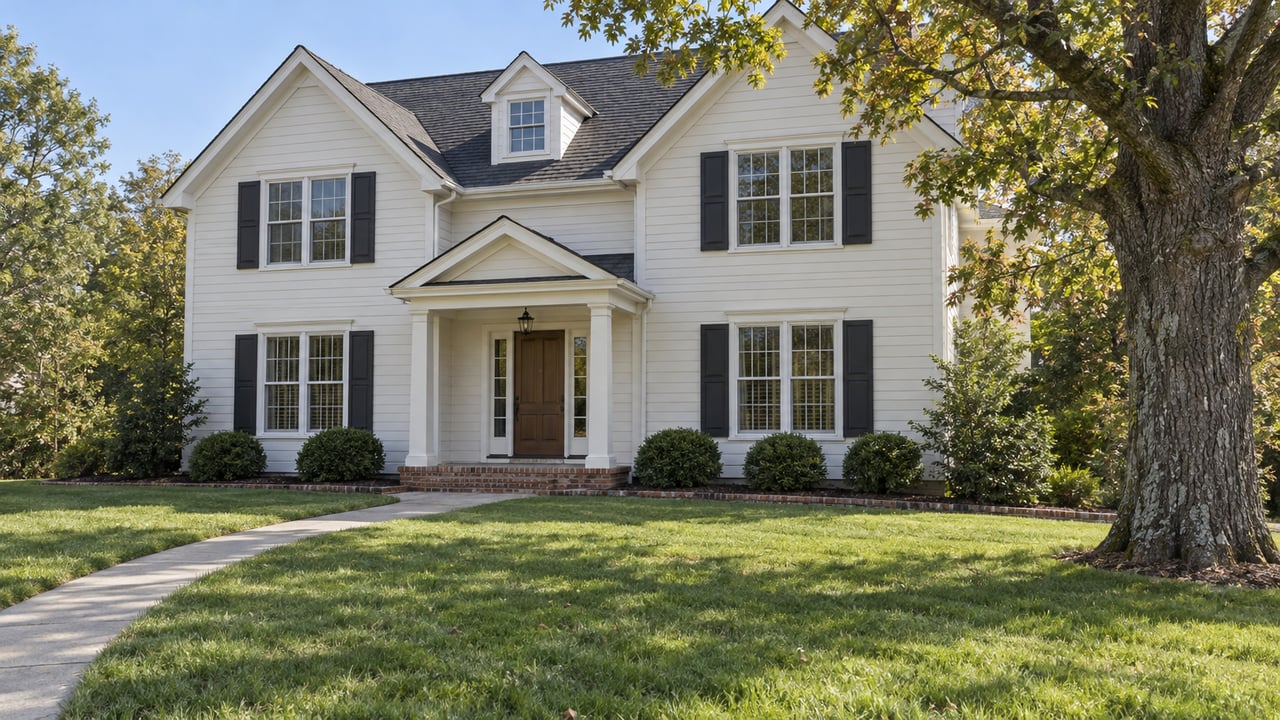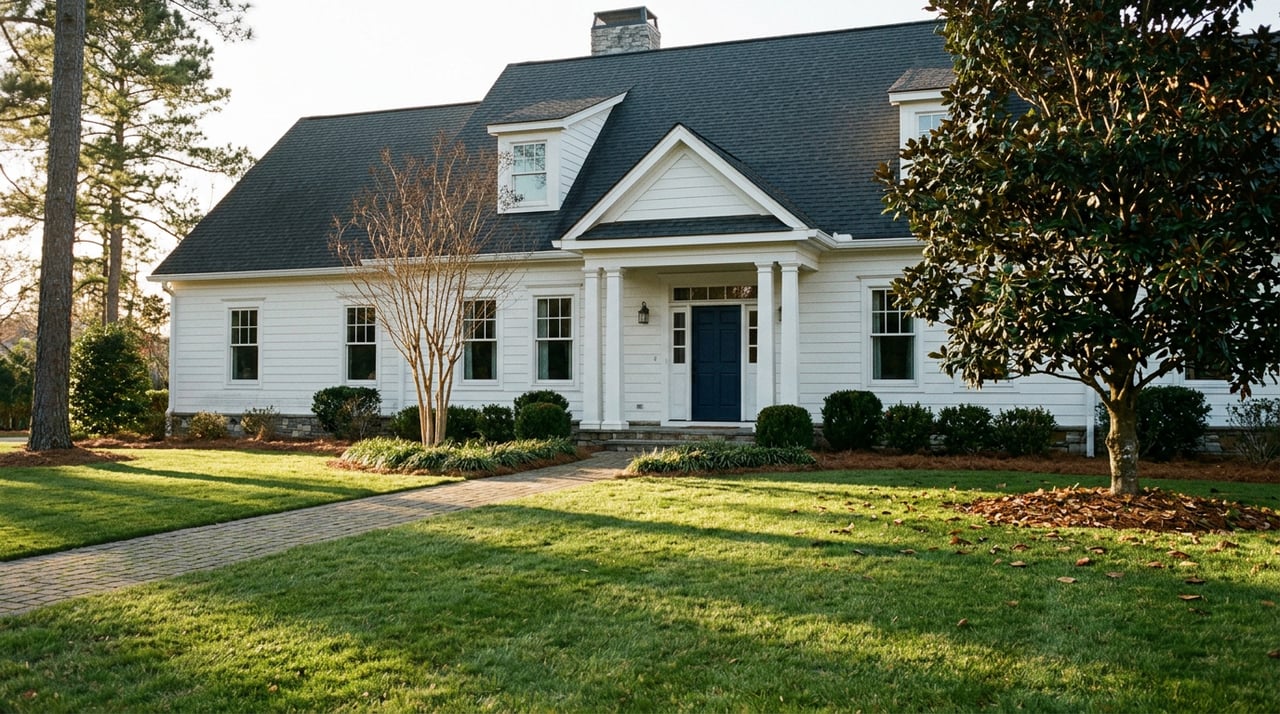
If your current home no longer fits the way you live, Raleigh gives you more than one path forward. The challenge is not just finding a bigger house. It is choosing the right tradeoff between location, lot size, home style, and everyday convenience. If you are planning a move-up purchase, this guide will help you compare Raleigh neighborhood options in a practical way so you can focus on fit, not just price. Let’s dive in.
Raleigh move-up buyers need a fit-first plan
Raleigh is still a relatively balanced market overall, which gives move-up buyers real choices across the city. According to Realtor.com’s Raleigh market overview, the citywide median listing price was $445,000 in January 2026, with about 2,500 homes for sale and a median of 79 days on market. In Wake County, the median listing price was $474,945.
That range matters because Raleigh does not have one simple move-up market. Instead, your options often fall into a few clear categories: historic inside-the-beltline neighborhoods, centrally located mixed-use areas, larger-lot north-side neighborhoods, and newer planned communities. The right choice usually depends on what matters most to you day to day.
Inside-the-beltline options
If you want historic character and close-in access, inside-the-beltline neighborhoods are often the first place buyers look. These areas tend to offer established streetscapes, older homes, and a strong sense of place, but they also usually come with higher prices and a different balance of space versus location.
Oakwood for historic homes
Oakwood is one of Raleigh’s classic historic neighborhoods. The City of Raleigh describes it as an early middle-class suburb that developed lot by lot, with a linear grid and varied lot sizes. Realtor.com’s January 2026 snapshot put Oakwood’s median home price at $592,250.
For a move-up buyer, Oakwood can be appealing if you value architecture, central access, and neighborhood identity. It may be a fit if you are comfortable giving up some of the newer features or larger yards you might find farther from the core.
Mordecai for central character
Mordecai Place Historic District is another strong option if you want older architecture in a central setting. The city describes it as an early suburb on a modified grid with large parcels near the Mordecai House. Realtor.com’s December 2025 snapshot showed a median home price of $806,950.
Mordecai often appeals to buyers who want a close-in location with historic appeal and are prepared for a higher price point. If your priority is character and central convenience, it is one of the areas worth keeping on your short list.
Five Points and Hayes Barton at the high end
For buyers looking at some of Raleigh’s most established central neighborhoods, Five Points and nearby Hayes Barton are often part of the conversation. Realtor.com’s Five Points data showed a median home price of $975,000 in March 2026, while Five Points East was listed at $1.04 million. In an earlier Five Points report, Hayes Barton appeared at $1.699 million.
The City of Raleigh describes Hayes Barton as an estate-like setting with generous setbacks and large parcels west of Glenwood Avenue and north of Wade Avenue. These neighborhoods are often best suited to buyers who are comfortable paying a premium for established central location, larger historic homes, and a distinct neighborhood setting.
North Hills as a middle ground
If you want central access but do not necessarily want a purely historic neighborhood, North Hills can offer a useful middle ground. The area combines housing options with retail, office, and transportation improvements, which can make it attractive for buyers who want flexibility.
The city’s Midtown-St. Albans plan is focused on creating a more walkable Midtown with new Beltline bridges, a greenway-connected waterfront park, protected walking and biking routes, and more housing and jobs. The city’s planning materials also note that North Hills sits north of downtown, with I-440 running through the district and office and retail uses clustered near major exits.
That central profile shows up in the market data. Realtor.com’s North Hills overview showed a median home price of $677,450 in December 2025, with 123 homes for sale and a 98% sale-to-list ratio. For many move-up buyers, North Hills works because it sits between the high prices of some inside-the-beltline neighborhoods and the more suburban feel of farther north options.
North Raleigh for more house
If your main goal is to gain square footage, a larger yard, or a more suburban setting without leaving Raleigh, North Raleigh is often an important comparison point. It tends to appeal to buyers who want more house for the money than they might find in central neighborhoods.
Realtor.com’s North Raleigh market data showed a median home price of $475,000 in January 2026, with 321 homes for sale and a median price per square foot of $255. That puts North Raleigh very close to the broader Wake County median while offering more inventory than many smaller neighborhood pockets.
For move-up buyers, that can translate into more flexibility. If you are prioritizing space, storage, or a different lot-size-to-price ratio, North Raleigh is often one of the first areas to explore.
Brier Creek for planned-community feel
Brier Creek offers a different kind of move-up path. Rather than historic character or broad suburban variety, it is better known for a more planned-community feel and convenient access to shopping and major roads.
Realtor.com’s Brier Creek overview showed a median home price of $410,000 in December 2025, with 50 homes for sale. The City of Raleigh identifies Brier Creek as part of the Northwest District, and city projects include a proposed bike and pedestrian connection between Brier Creek and Umstead Park.
If you are looking for a move-up option that feels newer and more structured, Brier Creek may be worth a closer look. It can be especially appealing if your daily routine depends on road-network convenience and nearby shopping.
Compare Raleigh neighborhood tradeoffs
When you narrow your search, it helps to compare neighborhoods by lifestyle priorities instead of trying to name one "best" area.
| Neighborhood type | What it may offer | Typical tradeoff |
|---|---|---|
| Inside-the-beltline historic areas | Character, central access, established setting | Higher prices, older homes, often less emphasis on newer features |
| North Hills and Midtown | Central location, mixed-use convenience, flexibility | Higher pricing than citywide averages |
| North Raleigh | More house, more inventory, suburban feel | Less historic or core-city feel |
| Brier Creek | Planned-community feel, convenience, newer environment | Different lifestyle than central Raleigh neighborhoods |
This kind of side-by-side view can make your search feel much more manageable. Once you know which tradeoff matters most, the right neighborhood category usually becomes clearer.
Verify schools by address
For many move-up buyers, school assignment is part of the decision. In Wake County, that should always be confirmed by exact address rather than assumed from a neighborhood name.
The Wake County Public School System assignment lookup shows base elementary, middle, and high school assignments by residence. The district also notes that some schools have enrollment caps, and magnet and choice-school options use separate application processes.
That means even within the same general area, assignments may vary. If school fit is one of your top priorities, verifying the address early can save time and help you search with more confidence.
Commute depends on destination
Commute is another category where a fit-first mindset matters. The best location for you depends on where you need to go most often, not on a one-size-fits-all definition of convenience.
Buyers who expect to spend more time in downtown Raleigh may be drawn to inside-the-beltline neighborhoods or Midtown. Buyers whose routines are more focused on north-side corridors may prefer North Raleigh, Brier Creek, or other nearby areas. Raleigh’s transportation planning reflects this as well, including the planned Northern BRT corridor connecting Downtown Raleigh north to Midtown Raleigh and Triangle Town Center.
How to choose your next Raleigh neighborhood
A smart move-up search usually starts with a few honest questions:
- Do you want more space, or do you want a more central location?
- Are you open to an older home with character, or do you prefer a newer layout and features?
- Is your top priority school assignment, commute, lot size, or nearby amenities?
- Do you want a neighborhood with a historic feel, a mixed-use environment, or a planned-community setting?
When you answer those questions first, your search becomes much more focused. You stop chasing every new listing and start comparing neighborhoods in a way that matches how you actually live.
Raleigh gives move-up buyers real options, from historic inside-the-beltline neighborhoods to central mixed-use districts and north-side communities that may offer more space. The best neighborhood is rarely the one with the most buzz. It is the one that lines up with your budget, priorities, and daily routine.
If you are weighing where to move next in Raleigh, Cobb Zies & Co can help you compare neighborhoods, verify the details that matter, and build a strategy around your next move with clarity and confidence.
FAQs
What is the median home price in Raleigh for move-up buyers?
- According to Realtor.com’s Raleigh market overview, the citywide median listing price was $445,000 in January 2026, but move-up options vary widely by neighborhood.
Which Raleigh neighborhoods offer historic character for move-up buyers?
- Oakwood, Mordecai, Five Points, and Hayes Barton are key neighborhoods to consider if you want historic homes, central access, and established neighborhood character.
Is North Hills a good Raleigh option for move-up buyers?
- North Hills can be a strong fit if you want a central location, a mix of housing types, and access to shopping and office uses without focusing only on historic inside-the-beltline neighborhoods.
Where can you find more space in Raleigh for a move-up purchase?
- North Raleigh is often a useful option for buyers who want more house, more inventory, and a more suburban feel than they may find in central Raleigh neighborhoods.
How do Wake County school assignments work in Raleigh neighborhoods?
- Wake County Public School System assigns base schools by residential address, and you can confirm them with the official assignment lookup tool, while magnet and choice schools use separate application processes.
Is Brier Creek a good fit for Raleigh move-up buyers?
- Brier Creek may be a good fit if you want a newer, more planned-community environment with convenient access to shopping and major roads.