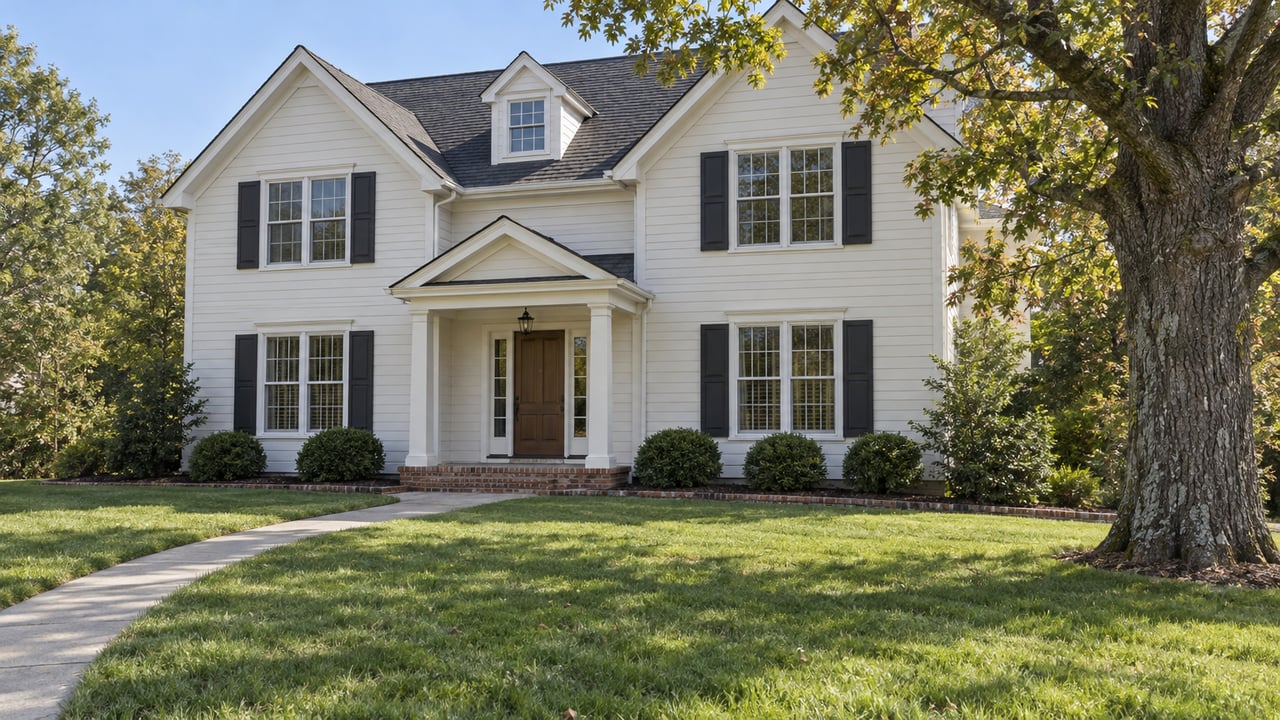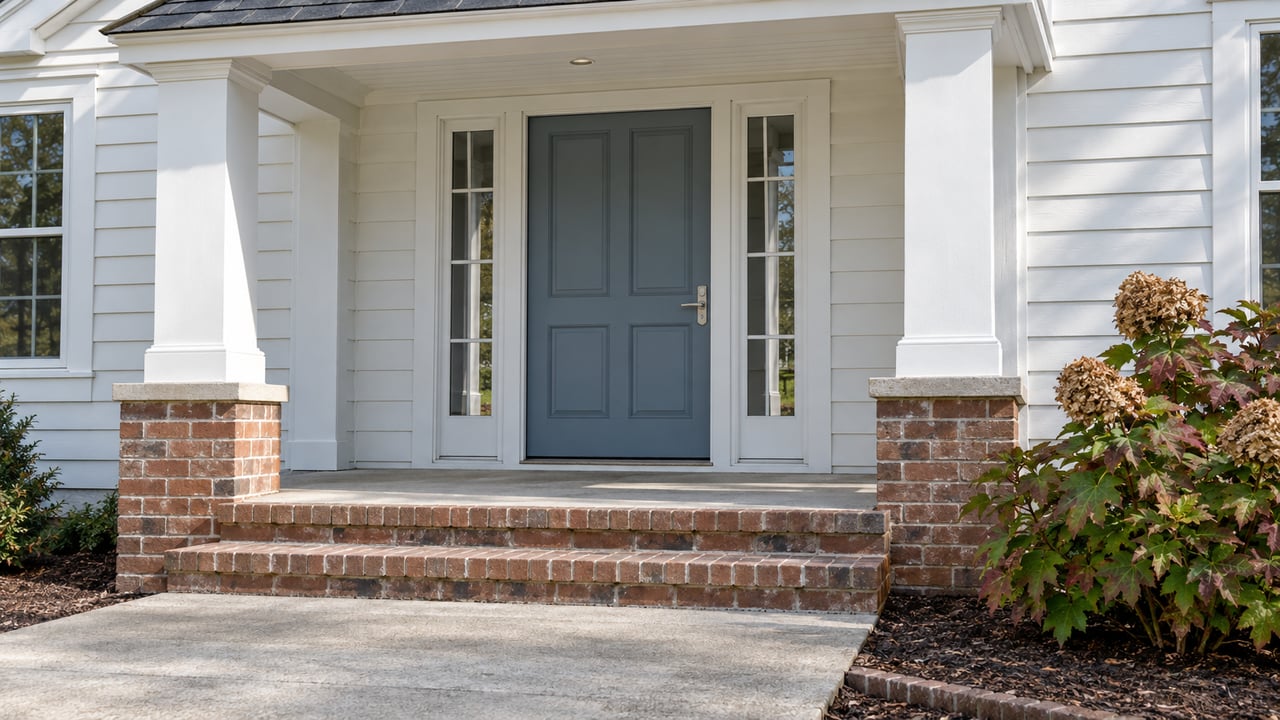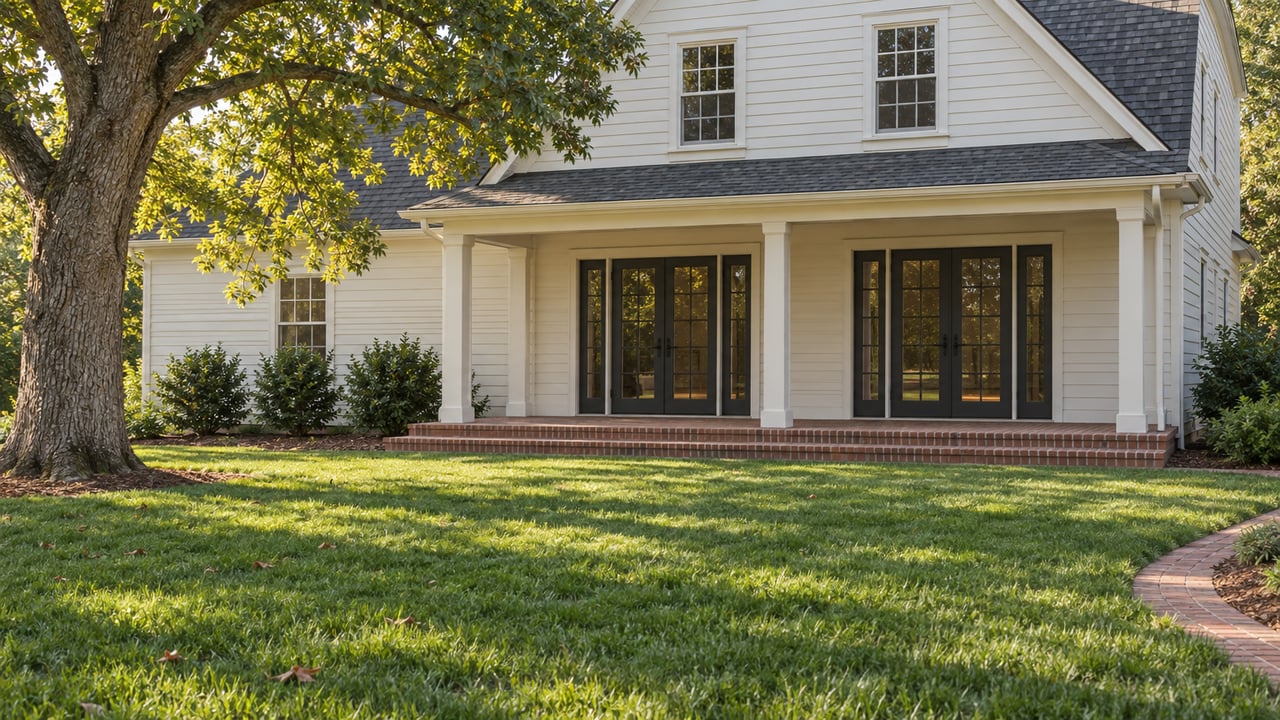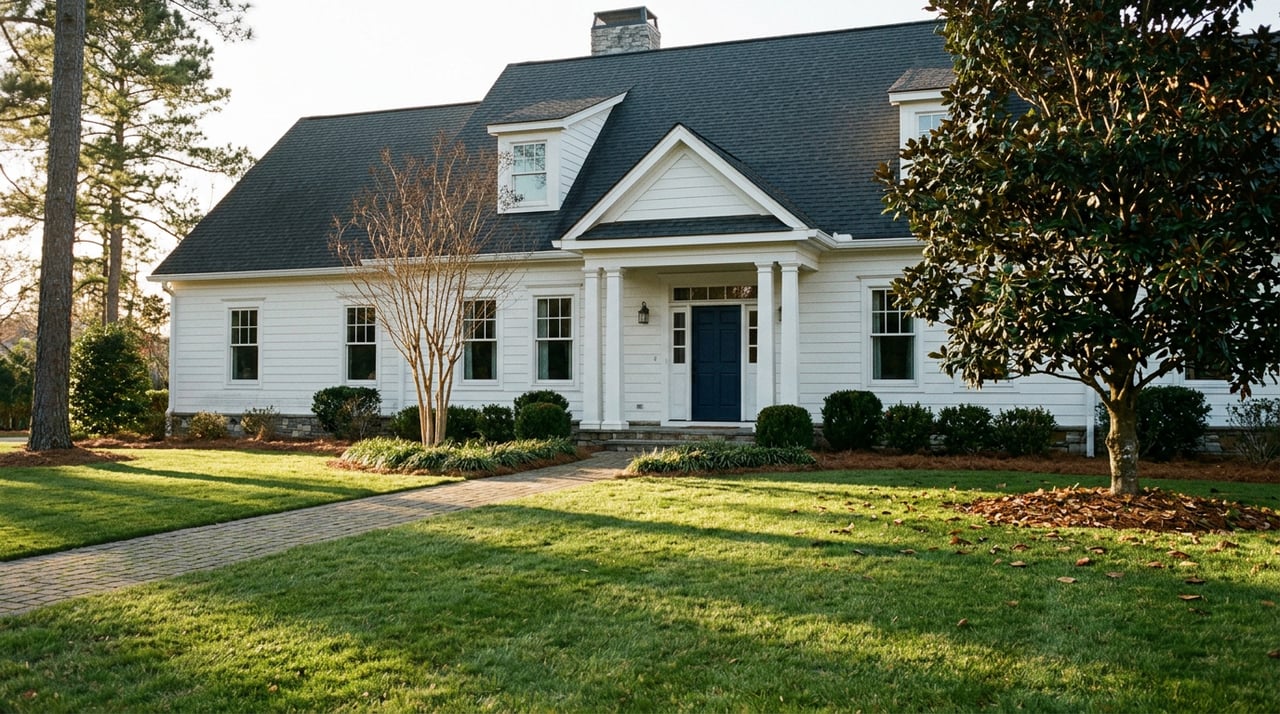
If you are thinking about selling in Raleigh, one question matters more than almost anything else: Where should you price your home right now? That answer is not as simple as picking your favorite online estimate or aiming for the highest number a neighbor got last year. In today’s market, strategic pricing can help you attract serious buyers, protect your time on market, and set up a stronger sale from day one. Let’s dive in.
Raleigh pricing takes strategy
Raleigh is still an active market, but it is not the fast-moving environment sellers saw in 2021 and 2022. Current public data shows a market where buyers are still purchasing homes, yet they have more choices and are comparing value more carefully.
According to Zillow’s Raleigh market data, the typical home value is $433,996, homes go pending in about 29 days, and 70.2% of sales close under list price. Redfin’s Raleigh housing market data points in a similar direction, with a $420,000 median sale price, 43 median days on market, and a 98.4% sale-to-list ratio.
That does not mean the market is weak. It means pricing discipline matters. Buyers are active, but they are less likely to stretch for an overpriced home when they can compare multiple listings across Raleigh and Wake County.
Wake County buyers have options
The broader Wake County market helps explain why pricing has become more important. Realtor.com’s Wake County overview shows about 7.3K homes for sale, a $475,000 median listing price, 46 median days on market, and homes selling an average of 1.11% below asking.
At the same time, Realtor.com still labels Wake County a seller’s market. That combination tells you something important: sellers still have opportunity, but buyers are not rushing into every listing without comparison. They are watching value, condition, and monthly payment much more closely.
Mortgage rates shape buyer behavior
Pricing your Raleigh home today also means paying attention to affordability. Freddie Mac reported a 30-year fixed mortgage rate of 6.30% on April 16, 2026, which keeps many buyers focused on payment rather than just purchase price.
That rate environment matters because it can shrink the number of buyers who feel comfortable stretching above market value. Add in the fact that Doorify MLS reported the Triangle affordability index reached 83 in December 2025, meaning median income still fell short of what was needed to comfortably buy a median-priced home, and you can see why realistic pricing has become so important.
In simple terms, a home that feels overpriced may not just get fewer showings. It may miss a meaningful share of qualified buyers altogether.
Build price from real comparables
A smart list price starts with the right comparable sales. Realtor.com’s local guidance is clear that pricing should reflect recent comparable sales, current market factors, and property condition.
For most Raleigh sellers, that means looking first at the most recent nearby closed sales of homes that are genuinely similar to yours. Size, age, layout, lot characteristics, and condition all matter. If very recent pendings are available, they can also help show where buyers are responding right now.
This is one reason pricing should never be built around a single outlier sale. A one-off record sale may have had a different lot, better updates, stronger presentation, or unusual buyer motivation. Your list price should be grounded in the most relevant evidence, not the most exciting number.
Micro-neighborhood matters in Raleigh
One of the biggest pricing mistakes sellers make is treating Raleigh like one market. It is not. Pricing can vary widely by neighborhood and even by smaller sections within the same general area.
For example, Redfin neighborhood data shows North Hills at a $912,000 median sale price and 70 days on market, while Downtown Raleigh sits at $462,500 and 62 days, and Brier Creek is at $407,000 and 88 days. That is a major spread, and it shows why the wrong comp set can push a list price off target very quickly.
Zillow’s nearby neighborhood values reinforce the same point, with value ranges stretching from the mid-$400,000s in some areas to well over $1.2 million in others. If you want a strong pricing strategy, you need neighborhood-level context, not just a citywide average.
Even smaller data sets can tell part of the story. Redfin’s Five Points market page showed a median sale price of $387,000 in March 2026, up 9.2% year over year, but with only four homes sold that month. That is useful context, but it also shows why experienced interpretation matters when the sample size is thin.
Condition is part of the price
Sellers sometimes think pricing and home preparation are separate decisions. In reality, they work together.
Realtor.com’s Wake County seller guidance notes that minor cosmetic updates such as paint, fixtures, and landscaping often pay off. It also notes that major renovations may not return their full cost, though they can expand your buyer pool and reduce time on market.
That means a move-in-ready home may be able to support a stronger, tighter list price than a similar home that clearly needs work. On the other hand, an as-is sale often attracts investors and flippers and can come in about 10% to 20% below market value.
This is where thoughtful preparation matters. For many sellers, the goal is not to over-improve. The goal is to present the home in a way that supports buyer confidence and reinforces the price from the first showing.
Why overpricing often backfires
A common myth is that you should start high and reduce later if needed. In today’s Raleigh market, that approach can create more risk than reward.
Current data does not support the idea that aggressive overpricing is routinely being rewarded. Redfin shows a 98.4% sale-to-list ratio, Zillow says 70.2% of homes sell under list, and Realtor.com reports Wake County homes sold 1.11% below asking on average.
That does not mean you should underprice your home. It means your best chance at a strong result often comes from being accurate from the beginning. When a home sits too long, buyers may start to wonder what they are missing, and price reductions can weaken momentum that is hardest to recreate later.
Online estimates are only a starting point
Automated home values can be helpful, but they should not be treated as a final pricing answer. They are measuring different things, and each one captures only part of the picture.
As the research shows, Zillow’s home-value pages focus on a typical value index, Redfin leans on MLS and public-record sale data, and Realtor.com emphasizes listing-market metrics. Used together, they can help you understand the market. Used alone, they can create a false sense of precision.
A strategic list price takes those broad signals and then narrows them to your block, your home’s features, your condition, and your likely buyer pool.
What sellers should expect on timing
One of the most practical pricing questions is how long a well-priced Raleigh home should take to sell. Current public-market snapshots suggest the answer is often around one month to a little longer, depending on the data source and market segment.
Zillow shows about 29 days to pending. Redfin shows 43 median days on market, and Realtor.com’s Wake County page shows 46 median days on market.
Those numbers are not identical because they measure different things, but they point to the same general reality. In most cases, this is a market measured in weeks, not a few frantic days. That gives buyers time to compare, which is exactly why a strong opening price matters.
A strategic pricing plan looks like this
If you want to price your Raleigh home wisely in today’s market, focus on a clear process:
- Study recent nearby sold homes that closely match your size, age, style, and condition.
- Review current competition in your price range and neighborhood.
- Factor in condition honestly, including updates, repairs, and presentation.
- Watch neighborhood-specific trends, not just citywide averages.
- Price for today’s buyer affordability, especially in a higher-rate environment.
- Launch with purpose, because the first days on market often shape your momentum.
This is where high-touch guidance can make a real difference. A pricing strategy works best when it is paired with polished presentation, strong marketing, and a local understanding of how buyers are comparing homes within Raleigh’s many micro-markets.
If you are thinking about selling, Cobb Zies & Co can help you evaluate your home’s position in today’s Raleigh market, prepare it thoughtfully, and build a pricing strategy designed to attract serious buyers from the start.
FAQs
How is a Raleigh home list price determined?
- A strong Raleigh list price is usually based on recent comparable sales, current buyer demand, property condition, and the home’s specific neighborhood and price tier.
How long does a well-priced home take to sell in Raleigh?
- Current public-market data suggests many well-priced Raleigh homes sell in roughly one month to a little longer, depending on the source and segment being measured.
Should Raleigh sellers trust online home value estimates?
- Online estimates can be useful starting points, but they should not be the final pricing decision because Zillow, Redfin, and Realtor.com each measure different parts of the market.
Does neighborhood matter when pricing a home in Raleigh?
- Yes. Raleigh has meaningful variation between micro-markets like North Hills, Downtown Raleigh, Brier Creek, and Five Points, so hyper-local comps are important.
Does home condition affect pricing strategy in Wake County?
- Yes. Local seller guidance shows that cosmetic improvements can help support value, while as-is homes often attract lower offers than move-in-ready properties.