If you’re thinking about selling in Apex, you may be wondering whether this is still a strong moment to list or whether buyers have started getting pickier. The short answer is both. Demand is still there, but in today’s Apex market, pricing, preparation, and negotiation strategy matter more than ever. If you want to sell with confidence and protect your bottom line, it helps to know what the process really looks like before your home hits the market. Let’s dive in.
What the Apex market looks like now
Apex remains an active resale market in spring 2026, but it is not a market where you can rely on momentum alone. Recent market data shows mixed signals, which means buyers are still engaged, yet they are also paying attention to value and presentation.
Redfin reports a March 2026 median sale price of $633,750, median days on market of 45, and a 98.6% sale-to-list ratio. Realtor.com reports 832 homes for sale as of April 2026, a $599,000 median listing price, a $600,000 median sold price, median days on market of 31, and a 99% sale-to-list ratio. The clearest takeaway is that well-positioned homes can still sell close to asking price, but accurate pricing and strong presentation matter.
Apex is also a growing town. The Town of Apex estimated its population at 84,933 as of February 28, 2026, which supports ongoing interest in the area. If your home is near downtown, it is also smart to account for the Salem Streetscape project, which was scheduled for January through October 2026 and may affect traffic, parking, or access during showings.
How long it takes to sell in Apex
Your timeline will depend on your price point, condition, and location, but current data gives you a useful benchmark. In Apex, median days on market are running about 31 to 45 days depending on the source.
That does not mean every home takes a month or more to attract attention. It means the total market pace is still healthy, but sellers benefit from a strong first impression and a clean launch. The first days on market are especially important because that is when your listing is freshest and buyers are most likely to compare it closely against competing homes.
A practical Apex seller timeline
4 to 6 weeks before listing
This is the planning stage, and it often has the biggest impact on your result. You want to choose your agent, study recent closed sales, build your pricing strategy, and decide which updates are worth doing before you list.
This is also the right time to gather paperwork. In North Carolina, most residential sellers must provide a Residential Property Disclosure Statement and a Mineral and Oil and Gas Rights Mandatory Disclosure Statement. If your home is subject to an owners’ association or mandatory covenants, you also need association-related disclosures that may include dues, special assessments, services, and transfer fees.
2 to 3 weeks before listing
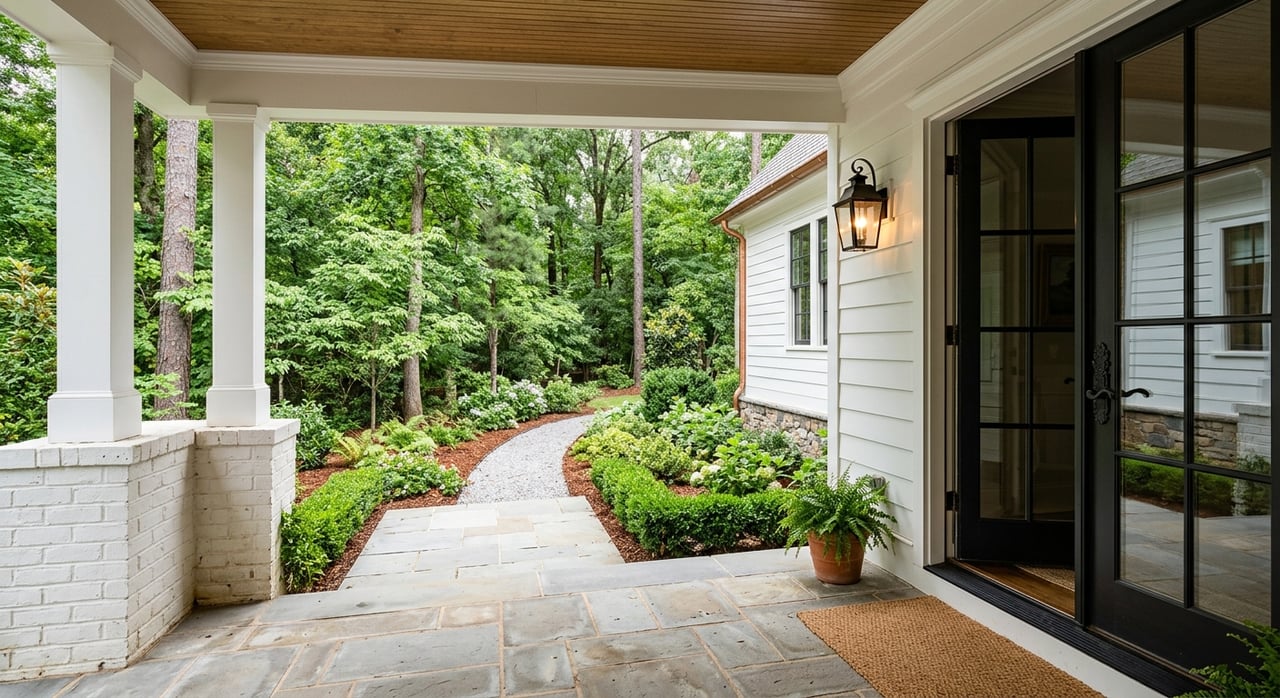
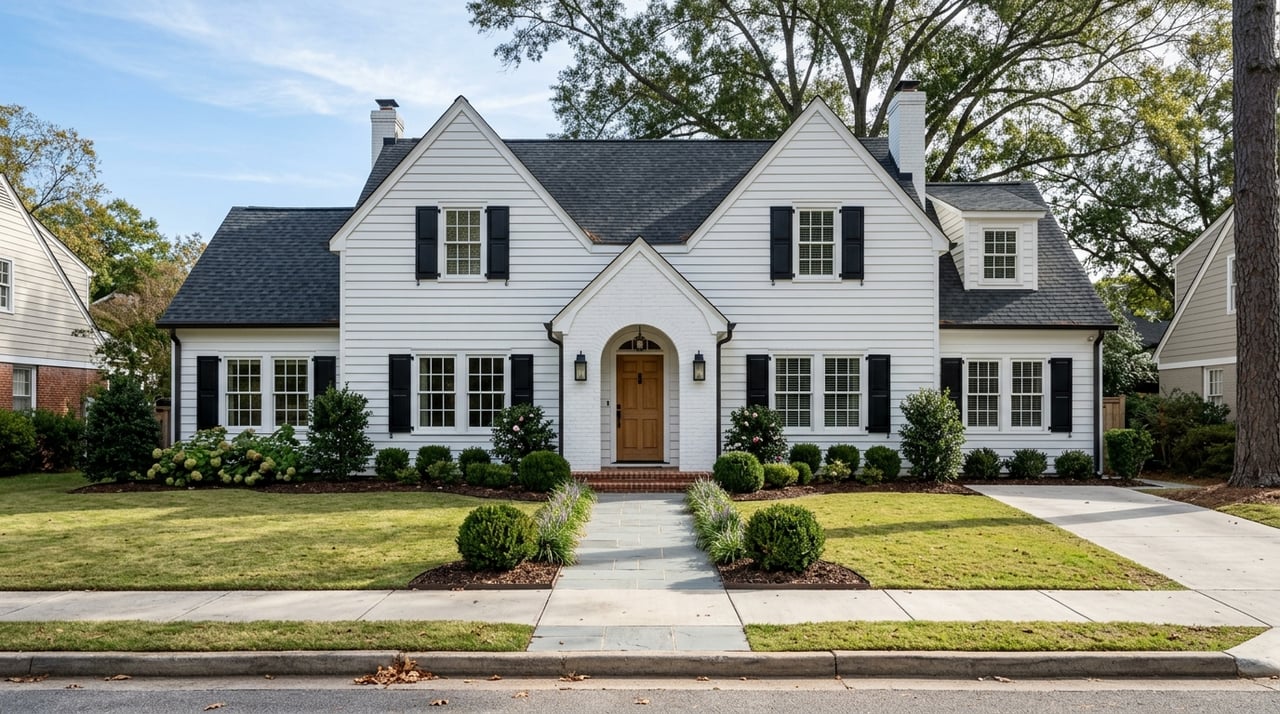
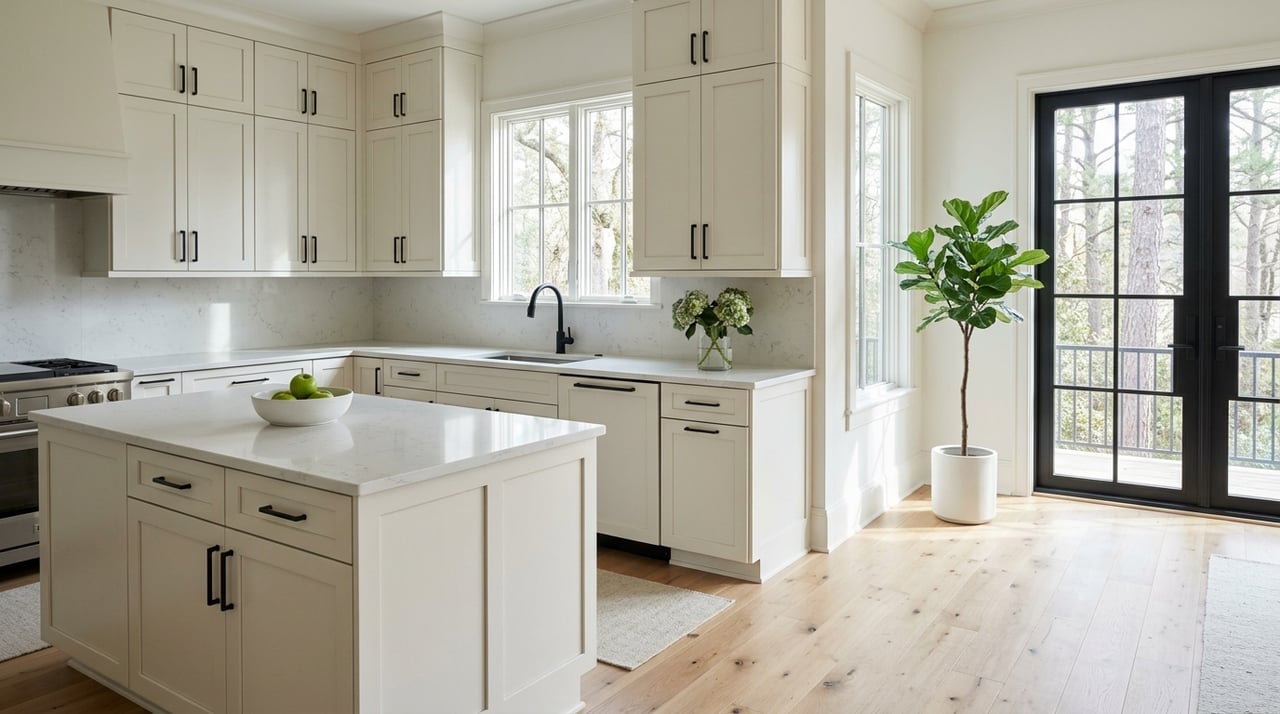
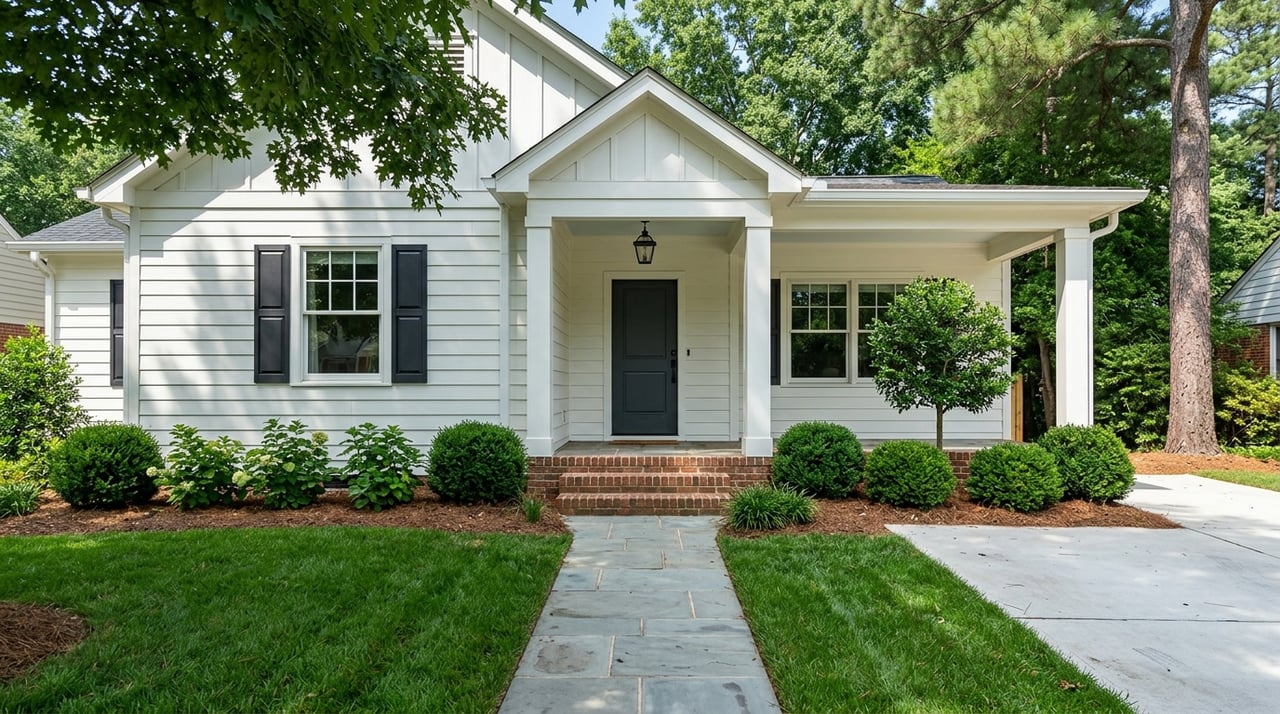
Now the focus shifts to preparation and presentation. For most sellers, this does not mean a full renovation. It usually means decluttering, simplifying rooms, touching up paint where needed, improving curb appeal, and removing anything that makes the home feel crowded or overly personalized.
This step matters because staging helps buyers picture themselves in the home. The National Association of Realtors’ 2025 staging guide says 83% of buyers’ agents reported that staging makes it easier for buyers to visualize a property as their future home, and 29% said staging increased the dollar value offered by 1% to 10%.
For sellers who want more polished preparation without paying upfront out of pocket, this is also when programs like Compass Concierge can be helpful. When available for your situation, that kind of support can make it easier to complete pre-listing improvements that strengthen presentation.
Listing week
Once your home is market-ready, the launch should feel intentional. Professional staging, premium photography, and clear showing logistics can all help your home stand out when buyers first see it online and in person.
If your home is in downtown Apex or in an area affected by the Salem Streetscape project, make sure your showing plan accounts for any temporary parking or traffic complications. Small details like this can help reduce friction and make the showing experience smoother for buyers.
Offer review period
When offers come in, the highest price is not always the strongest offer. In North Carolina, you also need to evaluate the due diligence fee, the length of the due diligence period, the closing date, repair expectations, and the buyer’s financing strength.
That matters because the standard North Carolina Offer to Purchase and Contract gives the buyer a due diligence period and a negotiated due diligence fee. During that period, the buyer may terminate for any reason or no reason if the fee has been paid, so sellers should look carefully at the full structure of the offer, not just the top-line number.
Under contract to closing
Once you are under contract, the buyer’s inspections and due diligence become the main negotiation window. Repair requests are common, and the standard contract says the property is generally sold in its current condition unless the parties agree otherwise in writing.
North Carolina closings are typically attorney-led. That means the closing attorney usually handles title review, disbursement authority, and recording, while key details like repair credits, possession timing, prorations, and HOA-related charges need to line up clearly with the contract before closing day.
Pricing strategy matters more than optimism
One of the biggest mistakes sellers make is pricing from active listings instead of recent sold homes. Active listings show the competition, but sold comps show what buyers have actually been willing to pay.
That distinction matters in Apex right now. With sold-price indicators around the low-to-mid $600,000s and sale-to-list ratios hovering around 99% or just under, buyers are still paying near asking price for homes that are positioned well. What the data does not support is assuming every home will sell above list without careful pricing and strong presentation.
A smart pricing strategy usually aims to do three things:
- Reflect recent closed sales in your area
- Match your home’s condition and features honestly
- Attract strong early interest rather than forcing repeated price reductions
When your price is aligned from day one, you are more likely to get serious traffic and better leverage during negotiations.
Prep that usually pays off
You do not need to remodel your entire home to sell well in Apex. In many cases, the best return comes from updates that help the home feel cleaner, brighter, and easier to understand.
The most useful pre-listing improvements often include:
- Decluttering and depersonalizing
- Rearranging or removing bulky furniture
- Fresh paint in worn or bold areas
- Minor repairs for obvious issues
- Clean landscaping and tidy entry appeal
- Professional staging and photography
These steps support how buyers experience your home both online and in person. In a market where homes are still selling but buyers have choices, those visible improvements can make a meaningful difference.
North Carolina disclosures sellers should not overlook
In North Carolina, disclosures are not something to leave until the last minute. The required forms must be delivered no later than the time a buyer makes an offer, and if they are not delivered on time, the buyer may have a statutory right to cancel within the allowed window.
Just as important, if you later discover a material inaccuracy or a new material condition, state law requires prompt correction. If something changes after you list, it is better to address it quickly than to hope it stays hidden until closing.
If your property is in an HOA or is subject to mandatory covenants, gather that information early. Buyers often ask about dues, services, special assessments, amenities, and transfer fees during due diligence, so having those details ready helps the transaction move more smoothly.
How to think about repair requests
Many sellers worry that inspection findings will derail the deal. In practice, repair requests are a normal part of the process in North Carolina.
The key is to stay calm and strategic. The standard contract expects repair negotiations to happen during the due diligence period, and you are not automatically required to agree to every request unless the contract or a signed addendum says otherwise.
A thoughtful response often means looking at the issue through two lenses:
- Is this a meaningful condition issue that affects the transaction?
- Is this a smaller item where a practical compromise makes more sense than starting over?
When you prepare your home well before listing, you often reduce the number of surprises that come up later.
Why local execution matters in Apex
Apex is not just another suburb on a map. It is a growing Wake County market with neighborhood-level differences, varying price points, and local logistics that can influence buyer experience.
That is why your selling plan should be tailored to your specific property. A downtown home may need a showing strategy that accounts for construction access. A home in an HOA community may need early document gathering. A move-up property may benefit from more extensive staging and premium photography to stand out in its price category.
This is where white-glove preparation can make a real difference. When your listing strategy includes thoughtful prep, coordinated presentation, and a pricing plan grounded in actual market data, you give yourself a better chance to attract strong buyers and protect your net proceeds.
Selling your home in Apex does not have to feel overwhelming. With the right timeline, a realistic prep plan, and a smart negotiation strategy, you can move through the process with a lot more clarity and confidence. If you’re thinking about your next move, Cobb Zies & Co can help you build a tailored plan for your home, your timing, and your goals.
FAQs
How long does it take to sell a home in Apex?
- Current Apex market data shows median days on market of about 31 to 45 days, though your actual timeline can vary based on price, condition, and location.
Do North Carolina sellers need disclosures before accepting an offer?
- Yes. North Carolina law requires most residential sellers to provide certain disclosure forms no later than the time the buyer makes an offer.
What disclosures matter when selling a home in an Apex HOA community?
- If your home is subject to an owners’ association or mandatory covenants, you may need association-related disclosures covering items like dues, special assessments, services, and transfer fees.
Are repair requests normal when selling a home in North Carolina?
- Yes. Repair negotiations commonly happen during the due diligence period, and sellers do not have to agree to repairs unless they choose to do so in writing.
Should you renovate before selling a home in Apex?
- Usually not. For many sellers, the highest-value prep work is decluttering, neutral presentation, minor repairs, fresh paint where needed, and strong curb appeal rather than major remodeling.
What if you discover a problem after listing your Apex home?
- North Carolina law requires prompt correction if you learn that a disclosure was materially inaccurate or if a new material condition is discovered.